How to Clean Your Phone Screen Without Damaging It
The internet is full of phone cleaning advice, and a surprising amount of it is wrong. Bleach wipes: no. Hand sanitizer: no. Vinegar: absolutely not. Rubbing alcohol directly on the screen: complicated.
Here's what actually works, and what you should stop doing right now.
The Problem With Most Phone Cleaning Advice Online
The core confusion is that phones are electronics with special coatings, not just glass you can clean like a window.
Your phone screen has an oleophobic coating, a thin layer that repels oils from your fingertips, making the screen feel smooth and fingerprint-resistant. This coating is the reason your phone feels the way it does. Harsh chemicals, bleach, ammonia, vinegar, undiluted alcohol, degrade this coating with every use.
Once the oleophobic coating is gone, your phone screen becomes a fingerprint magnet that smears instead of wiping clean. You can't restore it; the phone screen needs replacing.
The other common mistake: Using paper towels or tissues. They feel soft, but the wood-pulp fibers are abrasive at a microscopic level. Over time, they create fine scratches that catch light and reduce screen clarity.
What Products Are Actually Safe for Phone Screens
Always safe:
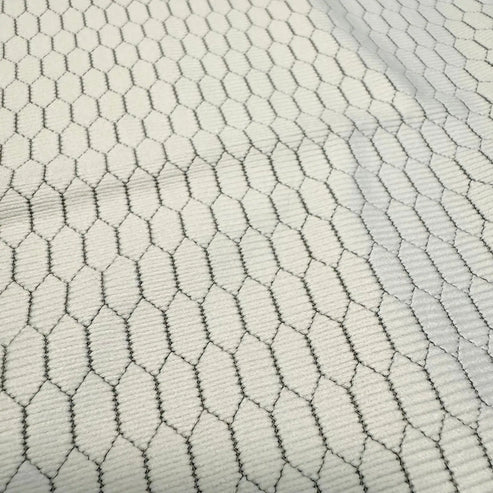
- Fine-weave microfiber cloth (dry), handles most daily cleaning with zero risk
- Alcohol-free screen cleaning spray, safe for oleophobic coatings with regular use
- Distilled water on a cloth, safe, though less effective for oils
Safe occasionally:
- 70% isopropyl alcohol wipes, Apple and Samsung both permit these for disinfection. "Occasionally" means when you need to disinfect, not as a daily routine.
Never safe:
- Bleach or bleach-based wipes (Clorox regular wipes, not the phone-safe version)
- Windex or ammonia-based cleaners
- Hand sanitizer (typically 70%+ alcohol plus other ingredients that damage coatings)
- Vinegar
- Paper towels or tissues
- Compressed air directly at the screen (can push debris under bezels)
Step-by-Step Phone Screen Cleaning

Step 1: Dim or turn off the screen.
Makes dirt and fingerprints much easier to see.
Step 2: Remove the case.
Clean the case separately, it accumulates its own contamination on the inside and outside.
Step 3: Dry wipe first.
Using a clean, fine-weave microfiber cloth, gently wipe the screen in slow strokes. This handles most daily fingerprints and light dust.
Step 4: If needed, dampen the cloth.
Apply a small amount of alcohol-free screen spray to the cloth, or lightly dampen with distilled water. The cloth should be barely moist, not wet enough to drip.
Step 5: Wipe the screen gently.
Consistent, light pressure. From top to bottom or in circles, either works for phone screens.
Step 6: Wipe the phone body.
Use the same cloth on the sides, back, and front face (avoiding speaker grilles and ports).
Step 7: Air dry or do a final dry-wipe pass.
Let the phone sit for 30 seconds, or wipe once more with a dry portion of the cloth.
Cleaning iPhone vs. Android vs. Foldable Screens

iPhone: Apple explicitly permits 70% IPA wipes and Clorox Disinfecting Wipes on the hard, non-porous surfaces of the phone body and screen. For routine cleaning, alcohol-free screen cleaner and microfiber is better.
Samsung Galaxy: Similar guidance. Samsung's own UV sanitizer product indicates they support UV-C sanitization as well.
Foldable phones (Galaxy Z Fold, Pixel Fold): The inner folding screen is significantly more delicate, the display is plastic OLED, not glass. No liquids on the inner display. Dry microfiber only. Check your specific model's guidance.
Google Pixel: Soft lint-free cloth, 70% IPA for disinfection. Same general rules.
Our Product Pick
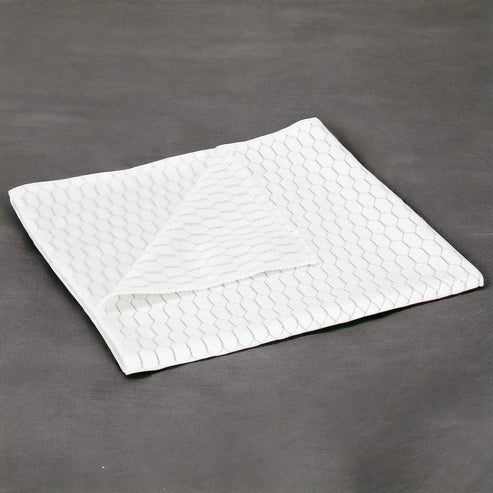
 The SILVADUR antimicrobial microfiber cloth from Clean My Tech is our top recommendation for daily phone screen cleaning. The silver-ion antimicrobial treatment means the cloth stays hygienic between washes, important when you're wiping bacteria-laden phone screens regularly. Pair it with a small bottle of alcohol-free screen spray for deeper cleaning sessions.
Clean your phone. Your hands touch it constantly. It touches everything you touch. Two minutes a few times a week is all it takes.